


Are Open Carriers Safe for Distant Bike Transportation in Mumbai?
- kavya yadav
- Apr 20
- 4 min read

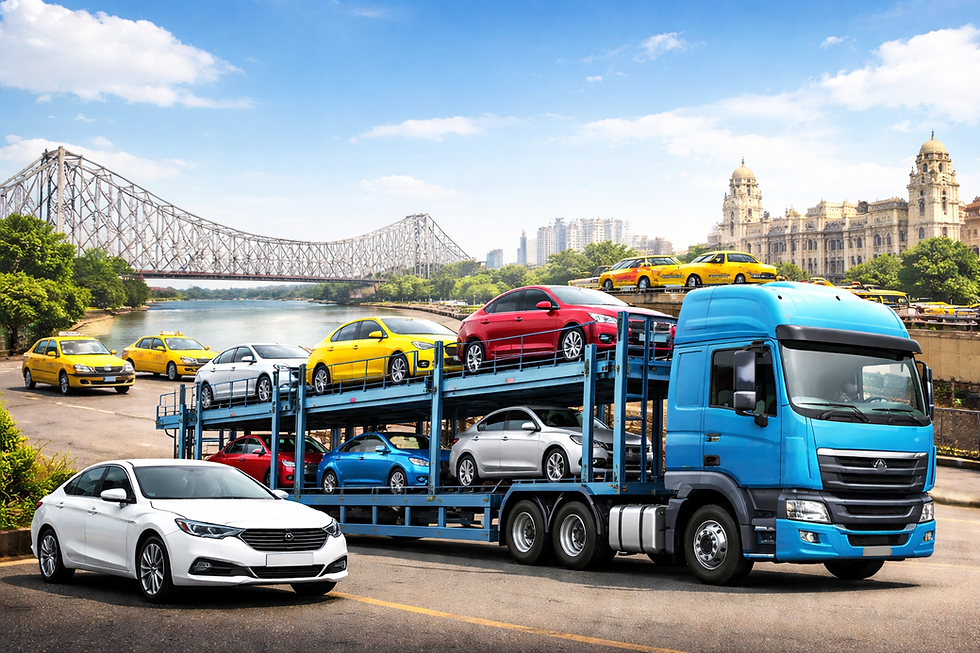
When it comes to transporting a bike from Mumbai to another city, one question comes up almost every time—are open carriers actually safe? You’ll often see them on highways, loaded with multiple two-wheelers, heading toward different destinations. They’re widely used, relatively affordable, and easy to book. But does that mean they’re the right choice for long-distance bike transportation in Mumbai?
The short answer: yes, open carriers are generally safe—but only when handled properly. The real safety depends less on the type of carrier and more on how the entire process is managed.
Understanding Open Carriers for Bike Transportation
Open carriers are transport vehicles where bikes are loaded onto an exposed platform, without full enclosure. These carriers are designed to move multiple bikes at once, making them a cost-effective option for long-distance transport.
They are commonly used for routes from Mumbai to cities like Delhi, Bangalore, Hyderabad, and Pune due to their affordability and availability.
Why Open Carriers Are So Popular
Despite concerns about exposure, open carriers continue to dominate the bike transportation segment. Here’s why:
Cost Efficiency
Since multiple bikes are transported together, the cost is shared among customers. This makes open carriers significantly cheaper than enclosed options.
Easy Availability
Most transport companies in Mumbai operate open carriers, especially for intercity routes. This makes booking quicker and more flexible.
Faster Scheduling
Because they handle bulk shipments, open carriers are dispatched more frequently, reducing waiting time for customers.
The Real Risks Involved
While open carriers are practical, they do come with certain risks—especially for long-distance transportation.
Exposure to Weather Conditions
Your bike is not covered, which means it can be exposed to rain, heat, or dust during transit.
Road Debris and Dust
Long highway journeys can lead to dirt accumulation or minor scratches due to flying debris.
Handling Risks
Improper loading or unloading can cause scratches or alignment issues, especially if the staff is inexperienced.
Long Transit Duration
Since multiple deliveries are involved, transit time may be slightly longer compared to dedicated carriers.
What Actually Determines Safety
Here’s where most people get it wrong—it’s not the open carrier itself that creates risk. It’s how the bike is prepared and handled.
1. Packing Quality Matters More Than Carrier Type
A well-packed bike is far less likely to get damaged, even on an open carrier. Proper packing includes:
Bubble wrapping sensitive parts
Foam protection for body panels
Covering the seat and fuel tank
Using stretch film to secure loose parts
2. Secure Loading Techniques
Professional movers use clamps, ropes, and wheel locks to ensure the bike doesn’t move during transit. A properly secured bike remains stable even on rough roads.
3. Experience of the Transport Team
Trained staff know how to load bikes without causing scratches or imbalance. This is a critical factor often overlooked.
4. Route Planning and Handling
Reliable transporters follow optimized routes and avoid unnecessary delays, reducing exposure time.
Open vs Enclosed Carriers: What’s the Difference?
It’s important to understand how open carriers compare with enclosed ones before making a decision.
Open Carriers:
More affordable
Easily available
Suitable for standard bikes
Slight exposure to external elements
Enclosed Carriers:
Fully covered and protected
Ideal for premium or luxury bikes
Higher cost
Limited availability
For most regular bikes, open carriers are considered a practical and safe choice. Enclosed carriers are usually preferred only for high-end or newly purchased bikes.
When Open Carriers Are a Good Choice
Open carriers work well in the following situations:
You’re transporting a standard commuter bike
Budget is a priority
The bike is already used and not highly sensitive to minor exposure
You’re okay with basic cleaning after delivery
In these cases, the cost savings often outweigh the minimal risks involved.
When You Should Think Twice
There are situations where open carriers may not be the best option:
If your bike is brand new or premium
If you’re transporting a sports bike with delicate parts
During extreme weather conditions (heavy monsoon)
If proper packing is not being offered
In such cases, paying extra for better protection can be a smarter decision.
Practical Tips to Make Open Carrier Transport Safer
If you decide to go with an open carrier, a few simple precautions can make a big difference:
Take clear photos of your bike before pickup
Remove loose accessories like mirrors or mobile holders
Ensure proper packing is included in the service
Ask about insurance coverage
Confirm delivery timelines in advance
These steps help reduce both physical and financial risks.
The Cost Factor: Why Open Carriers Still Win
One major reason open carriers remain popular in Mumbai is pricing. For long-distance routes, they are often 20–40% cheaper than enclosed transport.
For many customers, especially those moving cities for work or studies, this cost difference makes open carriers the preferred choice.
Are They Safe or Not?
Open carriers are not unsafe—but they are not risk-free either. They fall into a balanced category where affordability meets acceptable risk.
If handled by experienced professionals with proper packing and secure loading, open carriers can transport bikes safely across long distances from Mumbai.
The key is not to blindly choose the cheapest option, but to ensure that the service provider follows proper safety practices.
Conclusion
So, are open carriers safe for distant bike transportation in India? Yes—but with conditions.
They offer a reliable and budget-friendly solution for most bike owners, provided the process is handled professionally. The real safety lies in preparation, packing, and execution—not just the type of carrier used.
If you focus on choosing the right transporter rather than just the lowest price, open carriers can deliver both value and peace of mind.
Because in the end, it’s not about whether the carrier is open or closed—it’s about how carefully your bike is treated throughout the journey.



Comments