


Moving from Apartment to Independent House? Don’t Miss Packers and Movers in Bangalore!


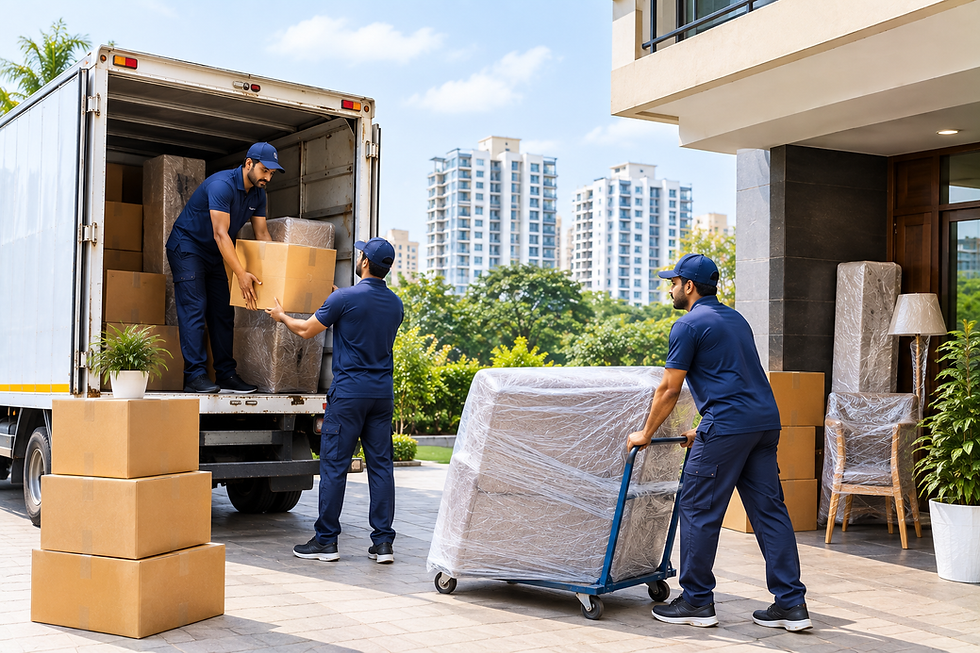
Moving from an apartment to an independent house can feel exciting because it often means more space, additional rooms, better storage, and greater freedom to organize your home. However, the actual relocation can be more complicated than expected. Larger furniture, more belongings, multiple rooms, and different access conditions can make the move require careful preparation. Working with Packers and Movers in Bangalore can help organise the different stages of the relocation, from packing and dismantling to loading, transportation, and unloading.
An independent house may also have a completely different layout from an apartment. Planning how furniture and appliances will enter the new property is therefore just as important as preparing them for transportation.
Why Moving to an Independent House Requires Different Planning
An apartment usually has a relatively predictable access route involving corridors, lifts, staircases, and a designated entrance. An independent house can have a driveway, gate, staircase, multiple entrances, outdoor areas, and different room arrangements.
This means the moving team needs to consider more than simply taking boxes from one building to another. Large furniture may need to travel through a particular gate or entrance, while heavy appliances may need to be positioned carefully inside specific rooms.
Planning these details before moving day can prevent unnecessary movement and repeated handling.
Sort Your Belongings Before Packing
A larger house can create the temptation to carry everything from the old apartment. However, relocation is a useful opportunity to separate belongings into categories.
Consider dividing items into:
Things that will definitely move
Items that need repair
Belongings to donate
Items that can be discarded
Seasonal possessions that require separate storage
Reducing unnecessary items can make packing and loading more organised. It can also make arranging the new house easier because fewer belongings need to be unpacked immediately.
Prepare Large Furniture for the Move
Moving from an apartment to an independent house may encourage homeowners to take larger furniture pieces that previously did not fit comfortably into their living space. Sofas, wardrobes, beds, dining tables, cabinets, and bookshelves can therefore become major parts of the relocation.
Before moving these items, check whether they can pass through the apartment's doors and the new house's entrances. Furniture that can be dismantled may be easier to carry and transport.
Drawers, shelves, detachable legs, handles, and other removable components should be handled carefully and kept together so that reassembly is easier at the destination.
Check the New House Before Moving Day
One of the most useful preparations is to inspect the independent house before the relocation begins.
Check:
Main gate width
Entrance dimensions
Staircase width
Door sizes
Parking and vehicle access
Available room space
Electrical points
Appliance locations
This gives you an opportunity to identify potential problems before the moving vehicle arrives.
For example, a large wardrobe may fit through the main gate but struggle to pass through a particular interior doorway. Knowing this beforehand allows the furniture arrangement to be adjusted.
Plan Where Everything Will Go
An independent house usually provides more room, but additional space can make furniture placement less obvious. Instead of deciding where every item goes while unloading is happening, prepare a basic room plan beforehand.
You can assign furniture according to the intended use of each room. Beds can be directed toward their respective bedrooms, dining furniture can go directly to the dining area, and storage cabinets can be placed close to their final positions.
Labelling boxes by room can make this process even easier.
Pay Attention to Heavy Appliances
Appliances require their own preparation because they can be heavy, awkwardly shaped, and sensitive to improper handling.
Refrigerators, washing machines, televisions, air conditioners, coolers, and other large appliances should be prepared according to their individual requirements. Loose components should be secured or packed separately where appropriate.
For appliances connected to plumbing or electrical systems, arrangements for disconnection should be completed before the moving team begins loading.
Protect Floors, Walls and Furniture
An independent house may have freshly painted walls, polished floors, new doors, or recently renovated rooms. Moving heavy furniture through these areas without planning can create unnecessary contact with surfaces.
Furniture edges and other vulnerable sections can be protected with suitable packing materials. At the destination, the route from the entrance to each room should remain reasonably clear.
Protecting the property is particularly important when several large items need to be carried through narrow passages or around corners.
Organise the Loading Process
Loading is not simply about putting everything into the vehicle as quickly as possible. Large furniture needs to be arranged alongside boxes, appliances, and smaller household items.
The loading sequence can influence how easily items can be removed at the destination. Belongings required first may be positioned so they can be accessed without unnecessarily disturbing other items.
A properly organised loading process can also help make better use of available vehicle space.
Keep Essential Items Separate
Not everything should go into the moving vehicle. Keep a separate bag or box containing items you may need immediately after reaching the new house.
This can include:
Basic toiletries
Important documents
Medicines or personal essentials
Phone chargers
A change of clothes
Basic cleaning supplies
Essential kitchen items
Keys and access devices
Having these belongings readily available can be especially useful when the rest of the household goods are still being unloaded.
What to Expect on Moving Day
Moving day generally involves several connected stages: final packing, furniture dismantling, loading, transportation, unloading, and placement.
Packers and Movers in Bangalore can coordinate these stages according to the agreed service requirements. However, homeowners can make the process smoother by ensuring that belongings are ready, access routes are clear, and important instructions have been communicated beforehand.
It is also useful to keep children, pets, and personal valuables away from the main loading area while heavy furniture is being moved.
Inspect Your Belongings After Delivery
Once everything reaches the independent house, avoid rushing through the final stage. Check furniture, appliances, boxes, and other important belongings as they are unloaded.
Look at major furniture surfaces and fittings, particularly if an item was dismantled before transportation. Confirm that labelled boxes have reached the intended rooms and identify anything that still needs assembly.
Taking photographs of valuable furniture and appliances before the move can also provide a useful record of their condition.
Conclusion
Moving from an apartment to an independent house is not simply a matter of transporting belongings to a larger property. The change in layout, access, furniture requirements, and room arrangement can create additional planning needs.
The same principle applies when researching Packers and Movers in Kengeri for a different relocation requirement: the more clearly the property, belongings, access conditions, and moving requirements are planned in advance, the easier it becomes to organize the transition from one home to another.



Comments