


Post-Car Transport in Mumbai Vehicle Inspection: How Transporters Can Help!

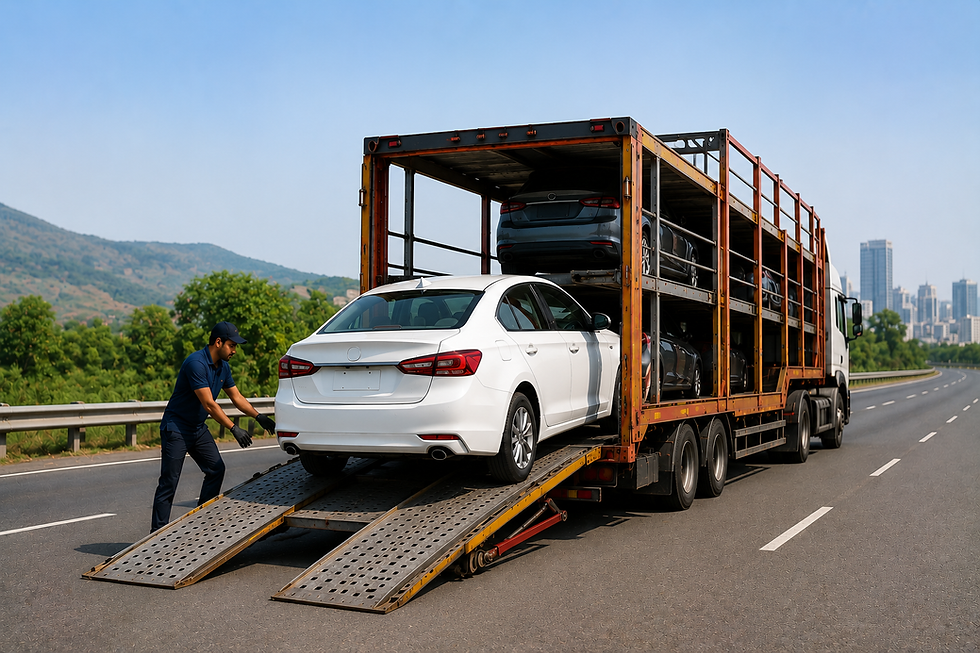
Receiving your car after an interstate transportation journey is an important step that should never be rushed. Even when transportation has been completed successfully, checking the vehicle's condition before accepting delivery helps identify visible damage, missing accessories, or other concerns. Professional car transport in Mumbai services can assist by documenting the vehicle's condition, explaining the delivery procedure, and helping customers address discrepancies. Knowing what to inspect and which records to retain makes the handover more organized and helps protect your interests after a long-distance move.
What to Check During a Post-Transport Car Inspection
1. Examine the Exterior Body and Paintwork
Begin by walking around the vehicle and examining its exterior under adequate lighting. Look for scratches, dents, chipped paint, scuff marks, or damaged bumpers that may not have been present before transportation.
Pay particular attention to the front and rear bumpers, door edges, side mirrors, wheel arches, and lower body panels. These areas can be vulnerable during loading, unloading, and vehicle positioning.
Compare the vehicle with photographs taken before pickup. If you notice a new mark, photograph it from multiple angles and inform the delivery representative before completing the handover.
2. Inspect Glass, Mirrors, and Lights
Windows, windshields, mirrors, and light assemblies should be checked carefully because cracks and chips can sometimes be difficult to notice at first glance.
Inspect the windshield and side windows for visible damage. Check the headlamp covers, tail-lights, indicators, and side mirrors for cracks, loose fittings, or unusual movement. If it is safe to do so, switch on the vehicle's lights and indicators to confirm that they function normally.
Document any concerns immediately and ask the transporter to record them in the delivery paperwork.
3. Check Wheels, Tyres, and Visible Undercarriage Areas
Examine the tyres for visible cuts, unusual deflation, or fresh scuff marks. Check the wheel rims for scratches and look at accessible lower body panels for obvious damage.
Avoid crawling beneath the vehicle or attempting to inspect inaccessible mechanical components yourself. If you notice a new fluid leak, unusual tyre damage, or another potentially serious issue, arrange a qualified mechanic's assessment before driving.
A careful visual inspection helps identify concerns early, although it cannot confirm that every mechanical component is functioning correctly.
4. Verify Accessories and Vehicle Contents
Before transportation, owners should ideally record the vehicle's condition and remove unnecessary personal belongings. At delivery, check the items that were specifically documented in the handover record.
These may include:
Keys and spare keys handed over to the transporter.
Documented accessories or detachable components.
Items agreed upon for transportation with the vehicle.
Any special equipment recorded during the initial inspection.
Avoid assuming that personal belongings left inside the car are covered by the transporter's insurance. Review the service agreement and applicable policy terms if anything is missing.
How Transporters Can Assist After Delivery
Comparing Pickup and Delivery Records
A professional Car Transport in Mumbai provider should be able to explain the inspection and handover procedure agreed upon during booking. Pre-transport photographs, condition reports, and collection records can help establish the vehicle's condition before the journey.
If a discrepancy appears at delivery, request that it be documented in writing. The transporter can help clarify the reporting process and identify the appropriate contact for resolving the issue, depending on the company's procedures.
Recording Damage and Supporting Communication
If you identify fresh damage, take clear photographs and note the affected areas in the delivery documentation. Notify the transporter promptly and retain copies of all communication.
Depending on the agreement and insurance arrangements, the provider may guide you on submitting a complaint or claim. Keep the booking confirmation, inspection records, receipts, and relevant policy documents available. Do not assume that reporting a concern automatically guarantees compensation; the outcome depends on the evidence, applicable terms, and claim assessment.
Advising on Further Vehicle Checks
Transporters can explain the handover process, but they are not necessarily qualified to diagnose mechanical faults. If the vehicle displays warning lights, develops unusual noises, or shows signs of leakage, avoid driving it until the issue has been assessed.
A qualified mechanic can perform further checks where necessary. This is particularly important when visible damage could affect the vehicle's safe operation.
What to Do If You Discover Damage After Delivery
Follow a systematic process to avoid losing important evidence or missing reporting deadlines.
Photograph the damage: Capture wide-angle and close-up images, including the affected panel and surrounding area.
Compare earlier records: Review the pickup photographs and condition report to determine whether the damage was documented previously.
Notify the transporter promptly: Use a written communication channel and retain the response.
Review the insurance terms: Check the reporting deadline, exclusions, supporting evidence requirements, and claims procedure.
Arrange professional assessment: Obtain a mechanic's or repair workshop's assessment if the damage requires technical evaluation.
If you notice a serious safety issue, prioritise the vehicle's condition over completing the delivery formalities quickly.
Conclusion
A thorough post-delivery inspection helps you identify visible damage, verify documented accessories, and raise concerns while the handover records are readily available. Before arranging Car Transport in India, confirm how vehicle condition will be recorded, how complaints should be submitted, and whether transit insurance is available. Combining careful inspection with clear documentation and timely communication makes the vehicle handover more transparent and helps you manage any issues that arise after transportation.



Comments